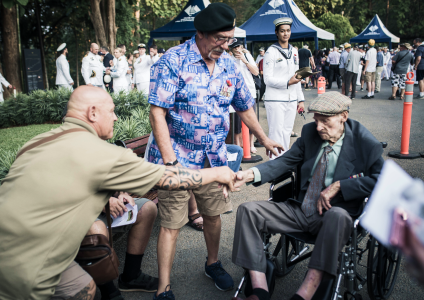
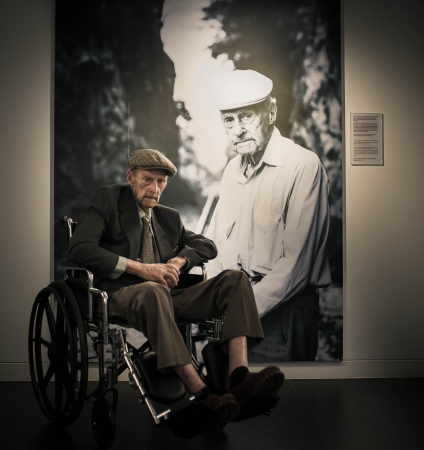
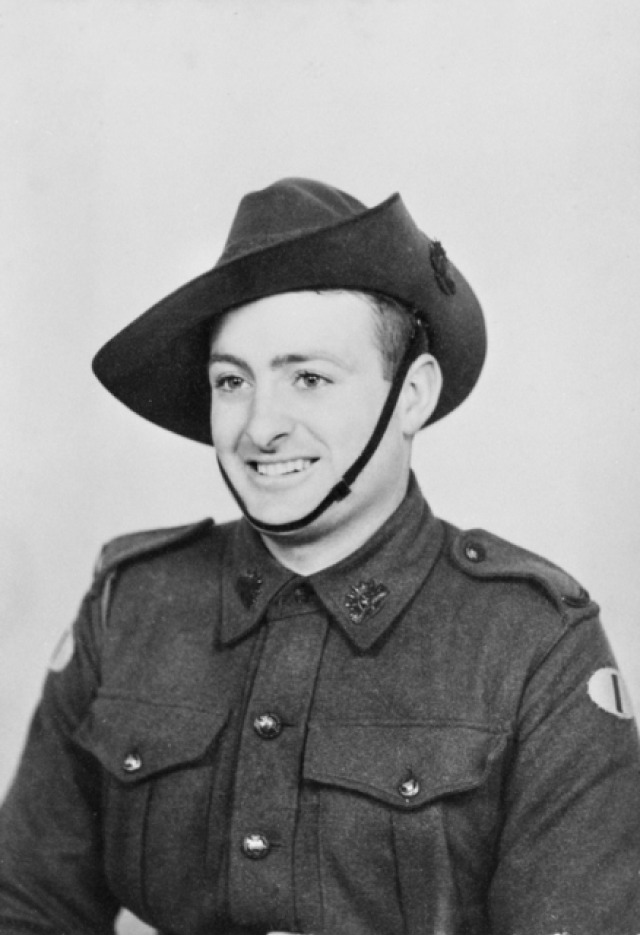
Harold Martin a former prisoner of war (POW) at the Hellfire Pass Intrepretive Centre, pictured with his portrait – a powerful reminder of endurance, survival and rememberance.
Hellfire Pass is a place where many people suffered greatly during World War II. During the construction of the entire railway, more than 60,000 Allied prisoners of war, including from Australia, Great Britain, the Netherlands East Indies (Dutch and Indonesian), and, the US were forced to work on the railway. Approximately 180,000 to 250,000 rōmusha from countries such as Malaya, Singapore, Burma, and the Netherlands East Indies (present day Indonesia), suffered under awful conditions as they too were forced to work on the railway.
They worked long hours, with little rest or nourishment and few tools to aid them. They were always under the threat of harsh and erratic punishment in the effort to build the Burma-Thailand Railway.
The scale of suffering at Hellfire Pass is hard to imagine. Prisoners and rōmusha laboured day and night, cutting through solid rock and thick jungle, often with just basic tools or even their bare hands.
Many died from diseases like cholera and malaria. Others died from hunger or from injuries resulting from the brutal treatment they received. Some survivors suggested that one life was lost for every sleeper laid.
The stories of these men, those who died and those who survived, are shared at the Hellfire Pass Interpretive Centre, to honour their memory and spirit in the face of terrible hardship.
Play Video
Play Video
Play Video
Play Video
Play Video
" Age shall not weary them, nor the years condemn; and a solemn vow that this should never happen again "
Allied prisoners worked on the railway, including:
0
Netherlands East Indies (Dutch and Indonesian) prisoners
0
Australian prisoners
0
British prisoners
0
American prisoners
0+
Allied prisoners died during construction
0+
Australian prisoners died during construction
0+
Rōmusha worked on the railway
0+
Rōmusha died during construction
0
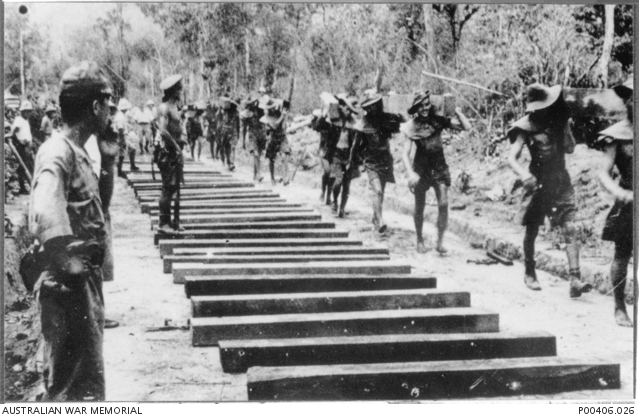
Prisoners of war (POWs) carrying sleepers in Burma, probably at Beke Taung, about 40 km south of Thanbyuzayat on the Burma-Thailand Railway, about 1943. AWM P00406.026
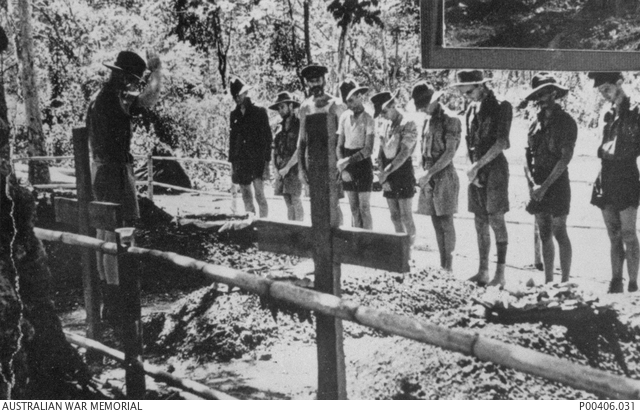
Ronsi, Burma. c. 1943. Funeral of a POW who died during the construction of the Burma-Thailand Railway. AWM P00406.031
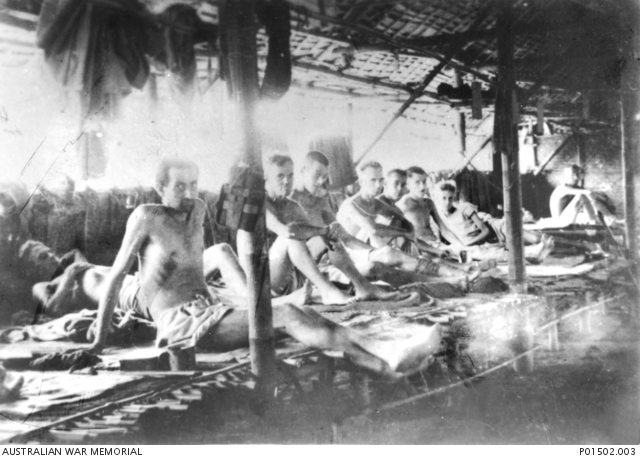
Allied prisoners of war (POWs) rest on their sleeping platforms in a typical attap-roofed hut on the Burma-Thailand railway. AWM P01502.003
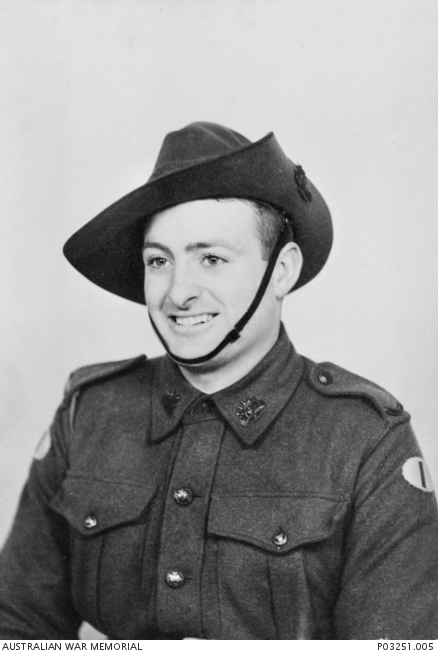
Studio portrait of NX39714 Private (Pte) William Stewart (Stewart) Bicket, 2/30th Battalion, of Parkes, NSW. He was taken prisoner of war during the fall of Singapore on 15 February 1941. He died on the Burma-Thailand Railway on 13 November 1943, and is buried at Thanbyuzayat War Cemetery in Burma. AWM P03251.005
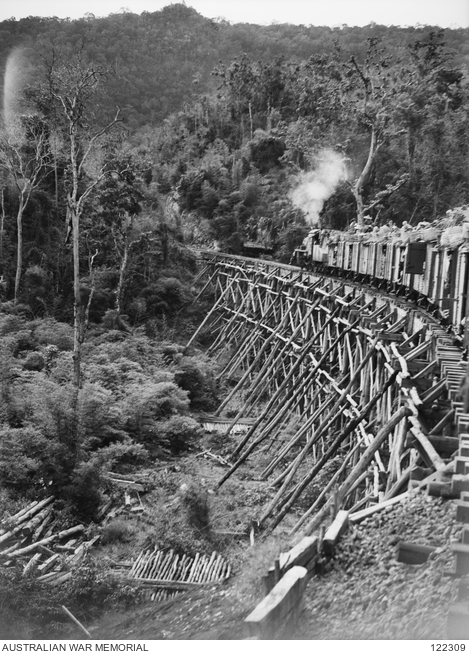
Curved trestle bridge north of Nong Pladuk, one of six trestle bridges between Konyu (Hellfire Pass) and Hintok on the Burma-Thailand railway, spanning rugged terrain along the line towards Thanbyuzayat. AWM122309
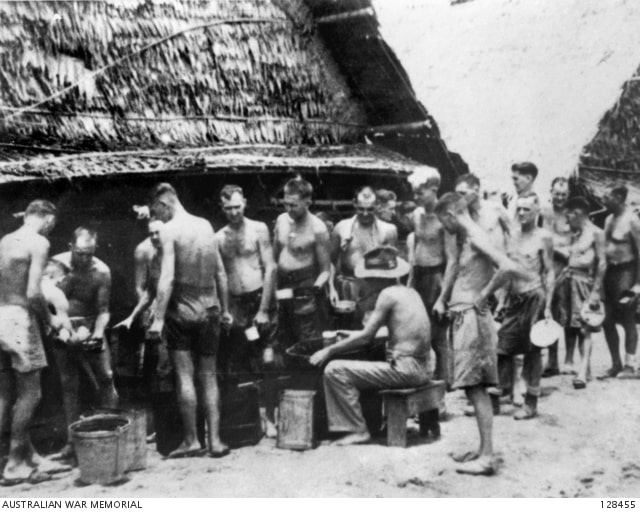
Burma-Thailand Railway, 1943. Prisoners of war (POWs) at a mess parade in a Japanese camp. Official rations were rarely met, with severe shortages leaving many men weakened by hunger and illness. AWM128455
Gallery
Photo Name
Ronsi, Burma. c. 1943. Funeral of a POW who died during the construction of the Burma-Thailand Railway. AWM P00406.031
Gallery
Studio portrait of NX39714 Private (Pte) William Stewart (Stewart) Bicket, 2/30th Battalion, of Parkes, NSW. He was taken prisoner of war during the fall of Singapore on 15 February 1941. He died on the Burma-Thailand Railway on 13 November 1943, and is buried at Thanbyuzayat War Cemetery in Burma. AWM P03251.005
Curved trestle bridge north of Nong Pladuk, one of six trestle bridges between Konyu (Hellfire Pass) and Hintok on the Burma-Thailand railway, spanning rugged terrain along the line towards Thanbyuzayat. AWM122309
Allied prisoners of war (POWs) rest on their sleeping platforms in a typical attap-roofed hut on the Burma-Thailand railway. AWM P01502.003
Burma-Thailand Railway, 1943. Prisoners of war (POWs) at a mess parade in a Japanese camp. Official rations were rarely met, with severe shortages leaving many men weakened by hunger and illness. AWM128455
Prisoners of war (POWs) carrying sleepers in Burma, probably at Beke Taung, about 40 km south of Thanbyuzayat on the Burma-Thailand Railway, about 1943. AWM P00406.026
Horace
Wilfred
Jesse
William
Herbert
Lawrence
James
George
Leonard
Norman
Robert
Lenard
Alfred
Berend
Jan
Johannes
Harm
Louis
Bernard
August
Rudolf
Franklin
Arthur
Eric
Ronald
Harold
Alexander
Edward
Leon
Harry
Charles
Frank
Albert
Rupert
Leslie
Thomas
Walker
Friend
Vernon
Martinus
Christoffel
Johan
Eduard
Jacobus
Marinus
Frederick
Cyril
Bert
Kenneth
Francis
Allan
Henry
Philip
Edmund
Stanley
Wallace
David
Percy
Jack
Terry
Peter
Antonius
Sjoerd
Hendrik
Cornelis
Adrianus
Gerrit
Sidney
Lionel
Maurice
Basil
Edgar
Ernest
Douglas
Czeslaus
Martijn
Albertus
Herman
Napoleon
Maxwell
Horace
Wilfred
Jesse
William
Herbert
Lawrence
James
George
Leonard
Norman
Robert
Lenard
Alfred
Berend
Jan
Johannes
Harm
Louis
Bernard
August
Rudolf
Franklin
Arthur
Eric
Ronald
Harold
Alexander
Edward
Leon
Harry
Charles
Frank
Albert
Rupert
Leslie
Thomas
Walker
Friend
Vernon
Martinus
Christoffel
Johan
Eduard
Jacobus
Marinus
Frederick
Cyril
Bert
Kenneth
Francis
Allan
Henry
Philip
Edmund
Stanley
Wallace
David
Percy
Jack
Terry
Peter
Antonius
Sjoerd
Hendrik
Cornelis
Adrianus
Gerrit
Sidney
Lionel
Maurice
Basil
Edgar
Ernest
Douglas
Czeslaus
Martijn
Albertus
Herman
Napoleon
Maxwell
In honour of those who suffered and died during the construction of the Burma-Thai Railway
AFTERMATH
After the war
At the end of the war, very few prisoners were still working on the railway, most having been returned to Singapore and many shipped to other parts of the Japanese empire.
Those who returned home after the war faced the first stage of a long and difficult recovery.
Many former prisoners, both Allied prisoners and rōmusha, suffered lasting physical and mental damage. Injury, malnutrition, and disease from their time in captivity caused long-term health issues, and many needed substantial medical care to recover.
As with many other tragic military events, many survivors were not able to speak of their experiences or forgive those who inflicted suffering on them or the countries they served. The impact of such traumatic events made it challenging to return to normal life. Many struggled to talk about their experiences with their families and communities. At the time, in an apparent attempt to shield the public from the prisoner experience, military and government officials appeared to have requested those who returned not to share their stories.
Some survivors worked to promote peace and understanding. They joined educational efforts to make sure the horrors they faced on the Burma-Thailand Railway are not forgotten. Their strength continues to inspire and inform memorials and education, like those at the Hellfire Pass Interpretive Centre.
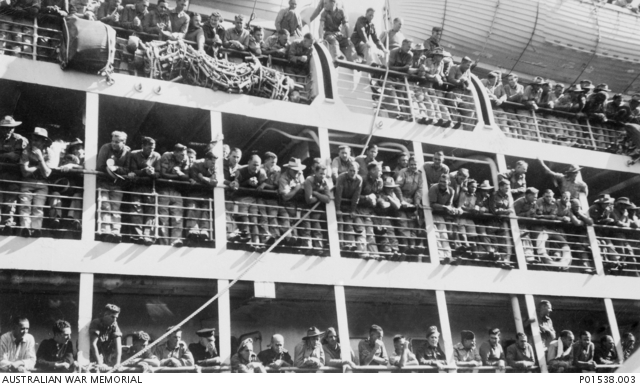
Fremantle, WA. 29 October 1945. Evacuated prisoners of war (POWs) from the Burma-Thailand railway, line the rails of the troopship Circassia as it berths at Fremantle. AWM P01538.003
Their stories helped people understand the war. In Australia, for example, the experiences of returning prisoners changed public attitudes and made people appreciate the peace they had.
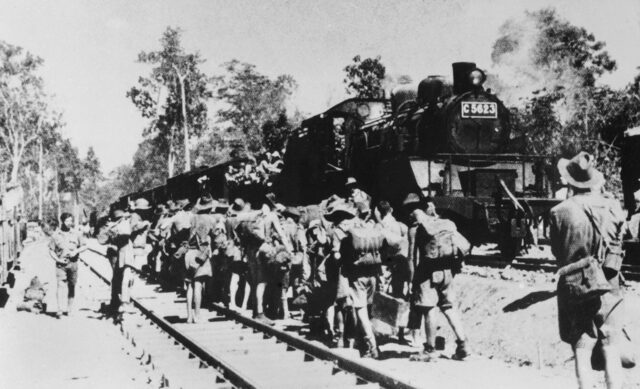
Thailand. c. 1943. Prisoners of war (POWs) being transported back to camps by train after completion of the Burma-Thailand railway. AWM P406.011
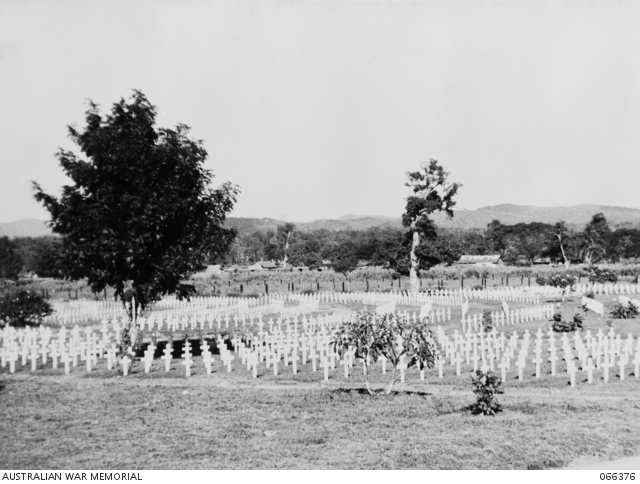
Thanbyuzayat Allied War Cemetery, Burma. c. 30 January 1955. Final resting place for 3,771 prisoners of war (POWs) and others who died during the construction of the Burma-Thailand railway, including 1,335 Australians. AWM066376
Many survivors worked to promote peace and understanding. They joined educational efforts to make sure the horrors they faced on the Burma-Thailand Railway are never forgotten or repeated. Their strength continues to inspire memorials and education, like those at the Hellfire Pass Interpretive Centre.