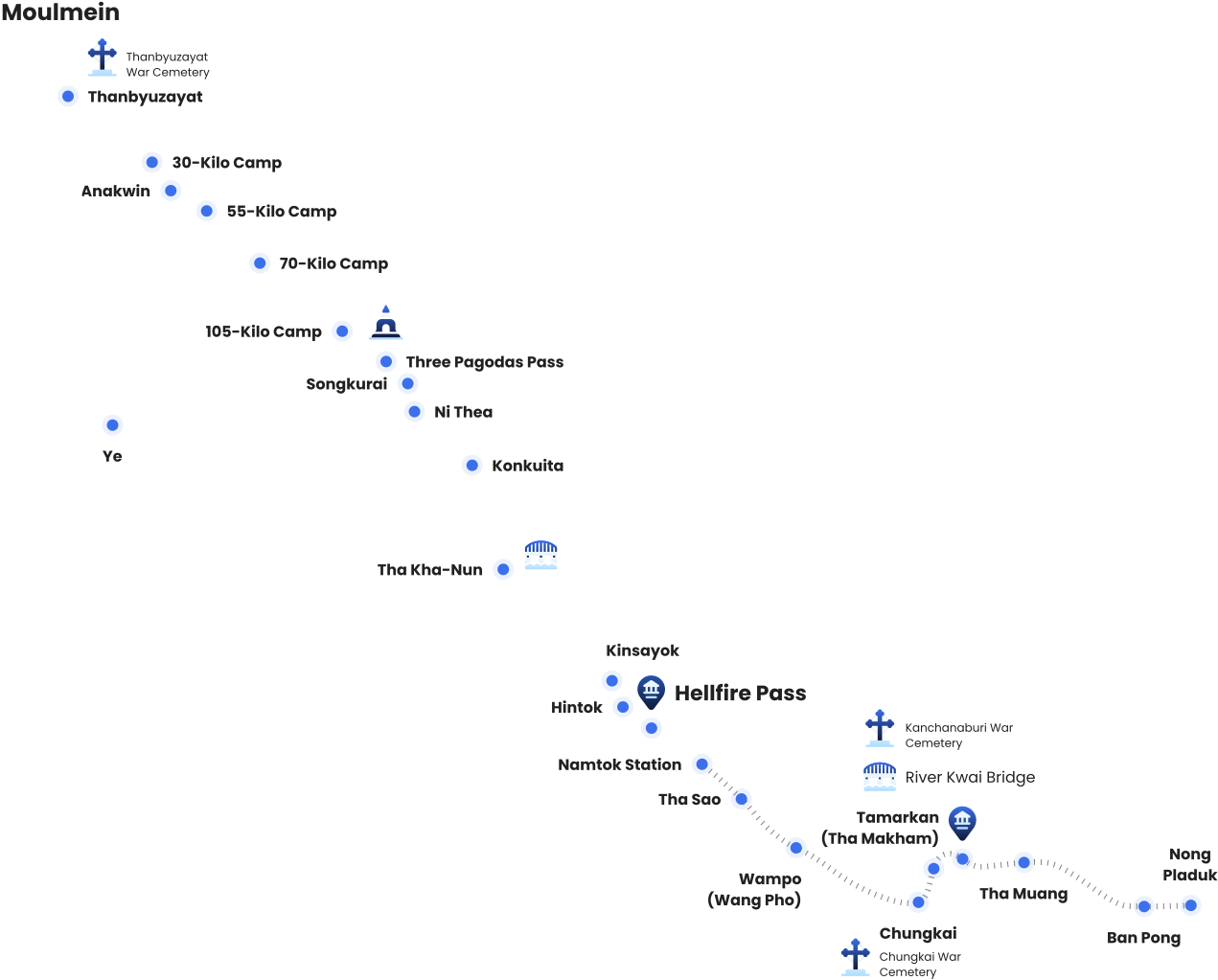
A significant logistical hub, Ye was crucial for moving supplies and labourers. It played a vital role in maintaining the flow of materials necessary for the railway's construction.
The starting point of the Burma Railway in Burma, it served as a major POW camp. Its importance lay in being the northern terminus where many POWs began their grueling journey and construction tasks.
Located 30 kilometers from Thanbyuzayat, this camp was one of many where prisoners endured harsh conditions and forced labour. It served as a waypoint and rest area for prisoners and workers.
This point marked another crucial stage in the railway construction, where workers faced relentless pressure to meet construction deadlines. The terrain and climate added to the difficulties.
Another significant camp, 55 kilometers from Thanbyuzayat. It was notable for the high mortality rate among labourers due to disease, malnutrition, and mistreatment.
Situated 70 kilometers from the start, this camp saw severe hardships and a high death toll. It was an essential part of the construction chain, contributing to the overall progress of the railway.
Located 105 kilometers from Thanbyuzayat, this camp was a critical construction site. It was infamous for its extreme working conditions and the heavy burden placed on the labourers.
This mountain pass was a strategic crossing point between Burma and Thailand. It was crucial for moving troops and supplies, making it a significant military and logistical target.
Known for its large POW camp, Songkurai was a major construction site where many lives were lost. The camp was pivotal in pushing the railway's progress despite the high human cost.
Located near the border, Ni Thea served as a transit camp. Its strategic location helped facilitate the movement of labourers and materials across the border region.
Another key site along the railway, Konkuita witnessed intense labour and high fatalities. It was integral in connecting different segments of the railway through arduous work.
An important staging area for railway construction, Tha Kha-Nun was notable for its logistical significance. The area saw extensive labour efforts to push the railway forward.
Known for its POW camp, Kinsayok was a vital construction site. The area was marked by challenging conditions and a high death toll among the workers.
This location had multiple camps and was notorious for its difficult terrain and severe working conditions. It was a crucial segment in the railway's progress.
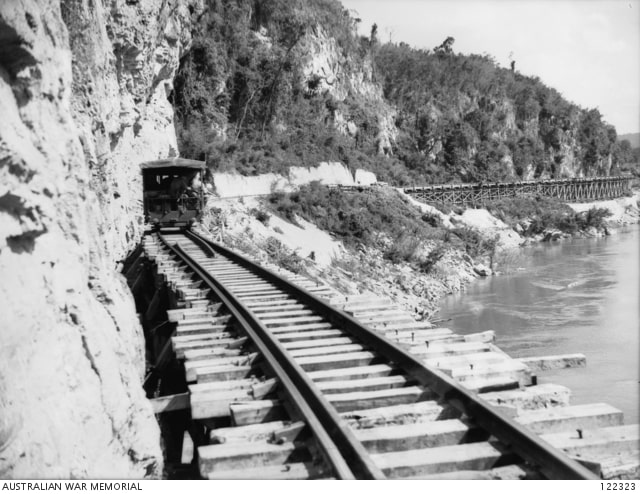
One of the most infamous sites on the Death Railway, Hellfire Pass required extensive rock cutting, leading to a high number of casualties. It is now a memorial site commemorating the suffering of the POWs.
A significant construction site, Tampi saw heavy labour and tragic losses. It contributed to the railway's extension through its critical work.
Tha Sao was another essential camp and construction site, known for its strategic importance in the railway's development. The area witnessed severe hardships for labourers.
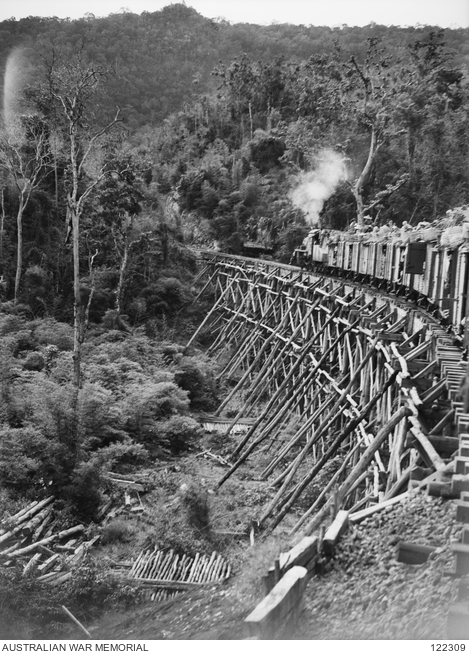
Wampo was known for its treacherous viaduct construction, which resulted in numerous fatalities. The site's importance lay in its contribution to the railway's continuity over difficult terrain.
Chungkai was a significant POW camp and hospital site. It played a crucial role in the railway's construction and is now a site of remembrance.
The site of the famous Bridge on the River Kwai, Tamarkan became symbolic of the entire railway project. The bridge was a critical logistical point for Japanese forces and a significant engineering challenge.
A major town along the railway, Kanchanaburi was a key administrative and logistical center. It is now home to several war cemeteries and memorials.
This location served as a major work site and transit camp. Its strategic importance was underscored by the intense labour required to keep the railway construction on schedule.
A pivotal staging point for POWs and materials, Ban Pong was essential for the distribution of labour and resources. It marked the beginning of the railway within Thailand.
The southern terminus of the railway, Nong Pladuk was a critical junction for connecting the Death Railway to existing Thai railways. Its completion marked a significant milestone in the project.
Initial concept by the British Government
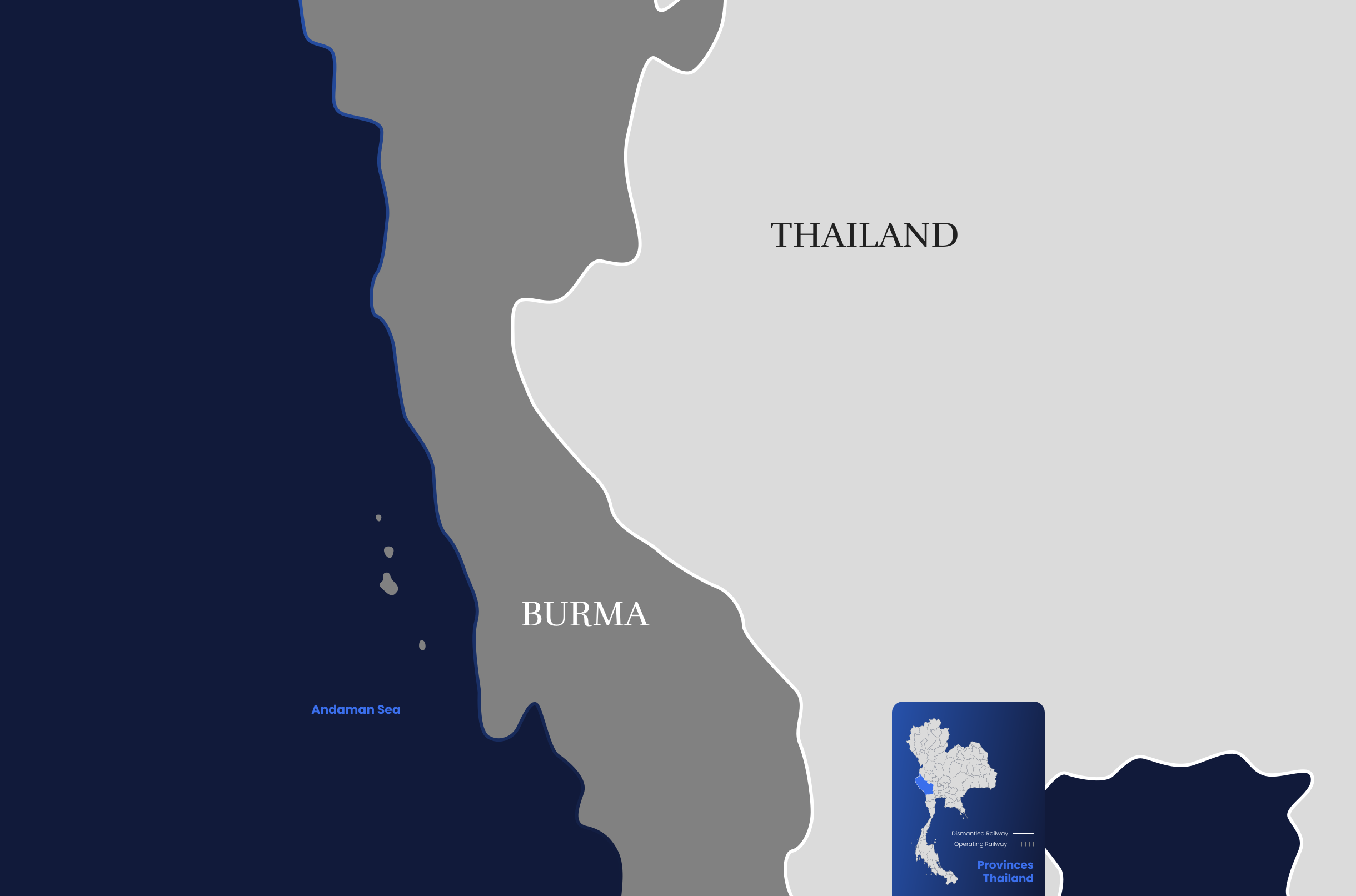
The British colonial government first considered building a railway through the thick jungles of the Tenasserim Hills. The hills separate Thailand and Burma (present day Myanmar). Upon review it was decided that the railway would be too difficult and costly to build due to the rough terrain and the safety risk to workers.
Japanese invasion
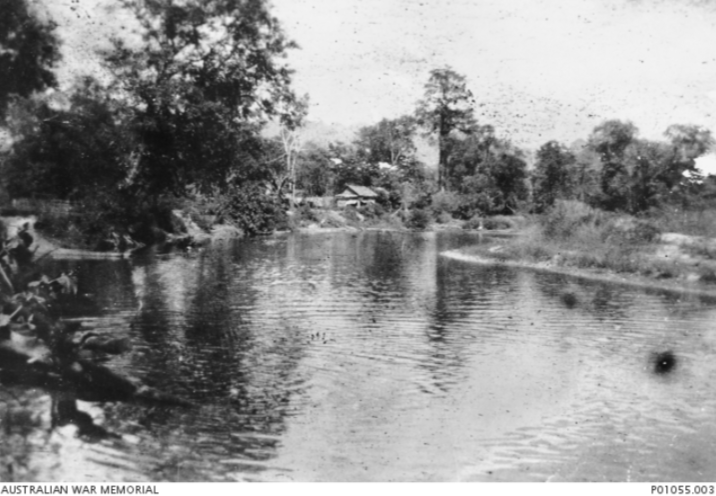
With the onset of war in the Pacific, Japanese forces launched their initial attacks across South-East Asia, including by invading the Malay Peninsula and Thailand. They subsequently also invaded other areas, including the Netherlands East Indies. In all areas, they quickly overpowered the defences.
Japanese decision and planning
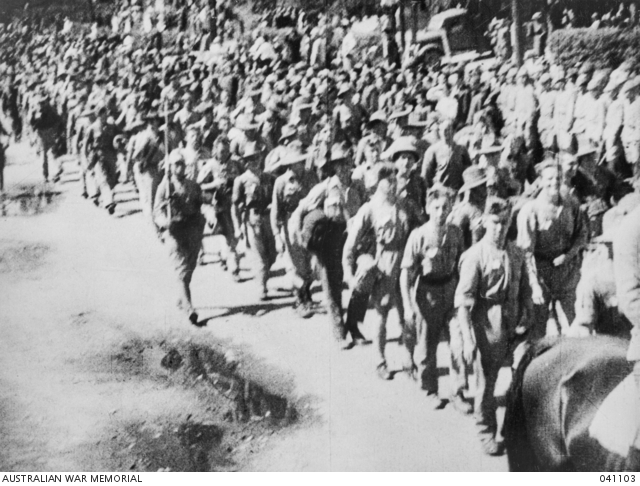
By mid-1942, the Japanese forces had control of Thailand and parts of Burma. To support their military efforts, the Imperial Japanese Army decided to build the Burma-Thailand Railway because transporting men and material to Burma by sea was too dangerous.
Planning the railway
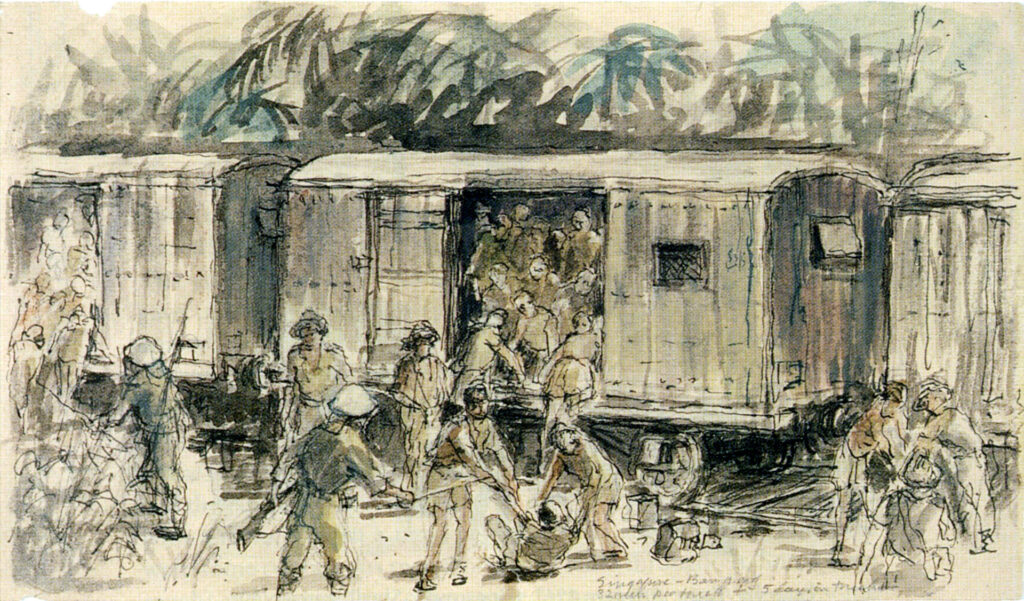
By mid-1942, the Imperial Japanese Army had occupied both Burma and Thailand. In June, a small group of prisoners were used by Japanese forces to help mark the intended route of the railway.
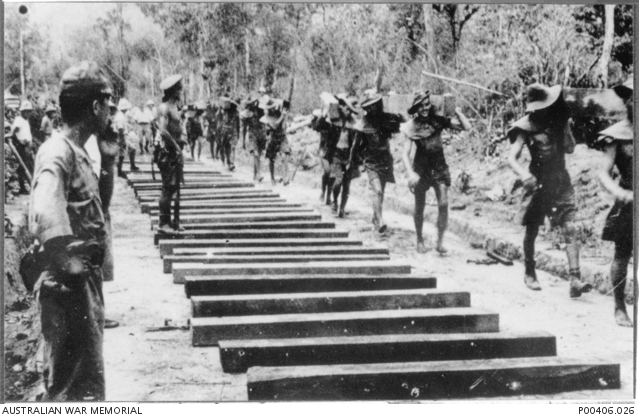
Arrival of the prisoners
Large groups of prisoners who were captured in South-East Asia were brought to the railway to work. These included British, Australian, Netherlands East Indies (Dutch and Indonesian), and American soldiers, sailors and airmen.
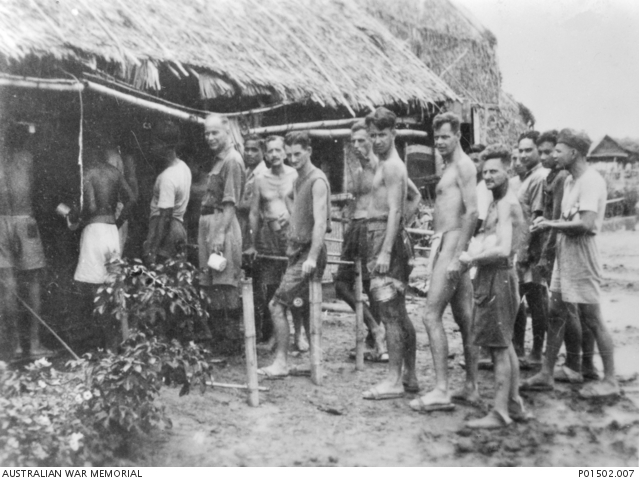
Work begins on Burma-Thailand Railway
Construction on the railway began in October 1942. For 12 months, prisoners and rōmusha suffered in brutal conditions with limited food, fresh water, medical supplies, or shelter. Physical violence was used towards the prisoners and rōmusha to speed up process and ensure compliance.
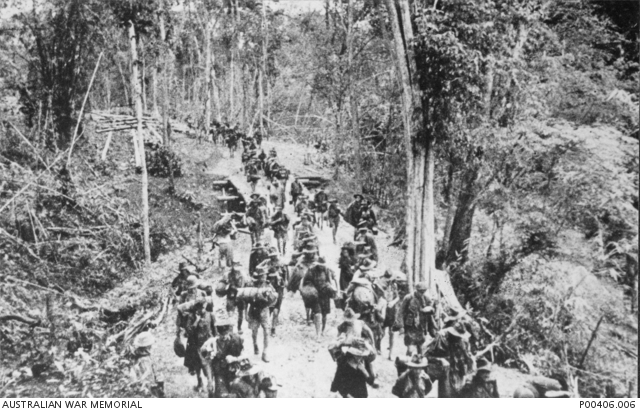
Hellfire Pass
On 25 April 1943, work began on the Konyu cutting, known as Hellfire Pass. From July, prisoners were forced to work 12-18 hours shifts with no rest day. This period, known to prisoners as ‘speedo’, remained until the completion of the Hellfire Pass section in August 1943. The death rate at Hellfire Pass was 8 to 10 per cent higher than other parts of the railway.
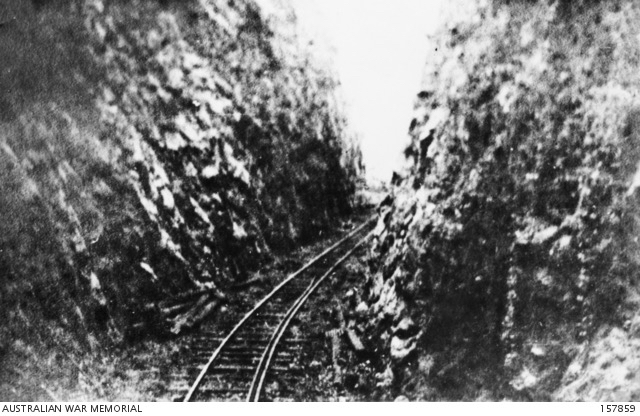
Completion of the Railway
The railway was finished in just 12 months due to the exploitation and cruel treatment of the prisoners and rōmusha. Sadly, many died from malnutrition, harsh conditions, brutality and disease.
Railway use
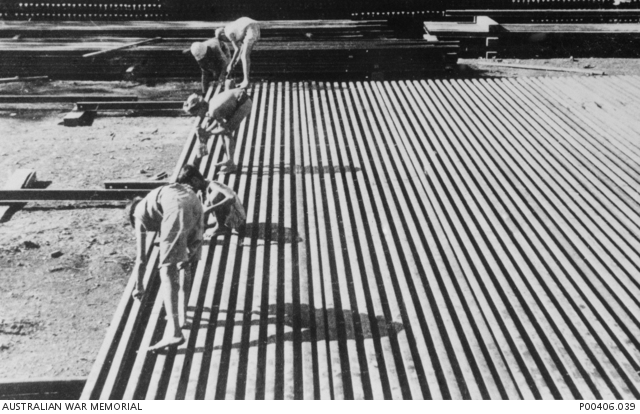
Once complete, Japanese forces used the railway to move troops and supplies. Allied forces bombed it often to disrupt these operations. Some prisoners and rōmusha were retained to repair and work on the railway after it was completed. The rest of the prisoners were transferred to other camps in the Pacific.
End of World War II
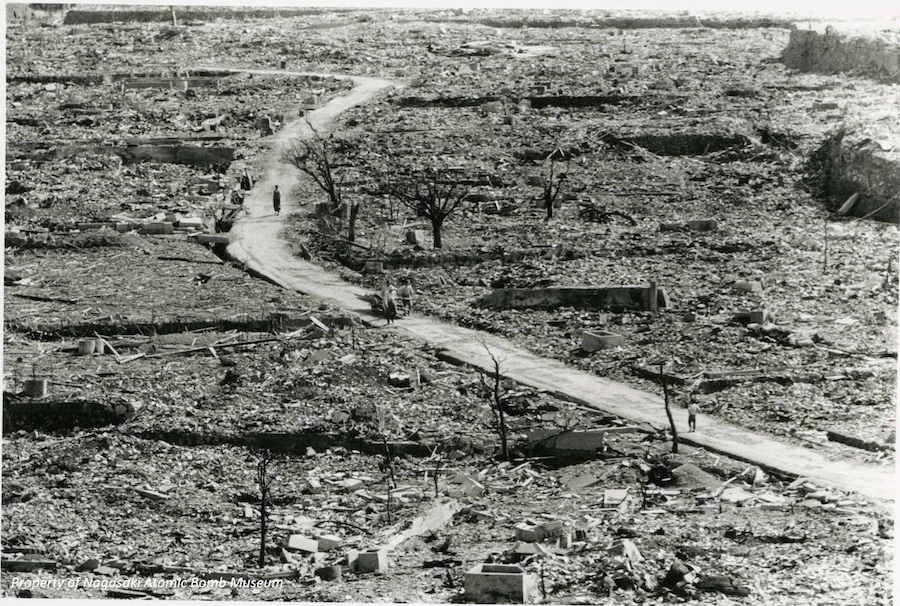
After the United States atomic bombings of Hiroshima and Nagasaki and the Soviet Union’s decision to enter the war against Japan, Japan surrendered on 15 August 1945. Allied forces then proceeded to free the surviving prisoners.
Freedom and the journey home
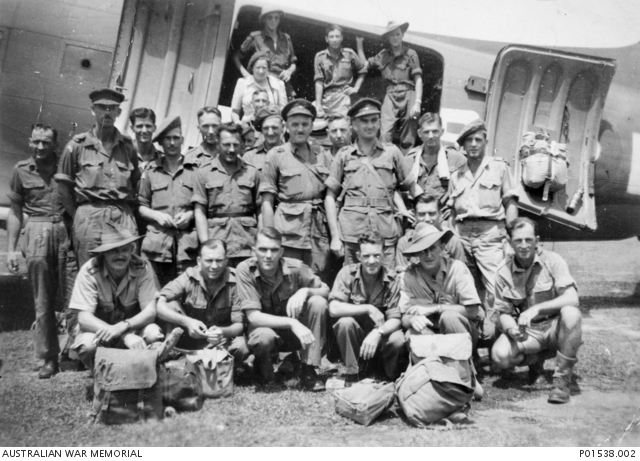
Allied medical and military teams arrived to help repatriate the surviving prisoners and enable their return home. The former prisoners began their journey back, carrying the scars of their suffering.
Dismantling and Remembrance
After the war, parts of the railway were disabled due to their link to the conflict. Some sections were restored as memorials and historical sites, honouring those who suffered and died.
Abandonment
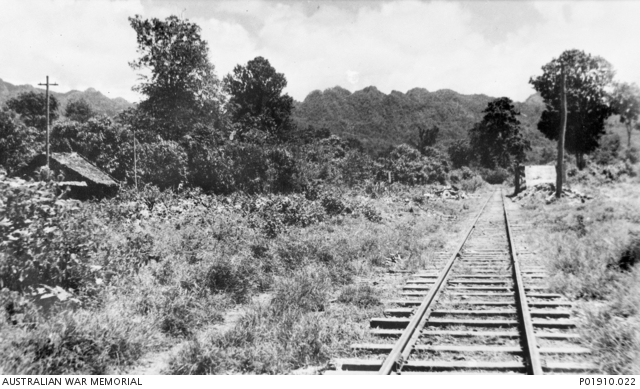
After World War II, parts of the Burma-Thailand Railway, including Hellfire Pass, were abandoned. The rough terrain and sad memories kept people away, and the area was left untouched for decades.
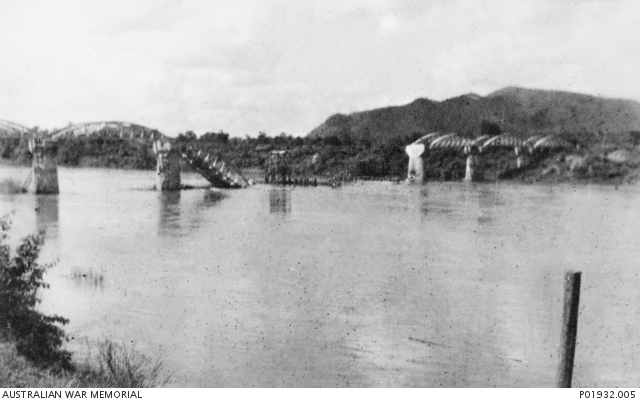
Rediscovery
In the 1980s, former prisoners and adventurous tourists rediscovered Hellfire Pass. The prisoner of war stories highlighted the importance of preserving the site.
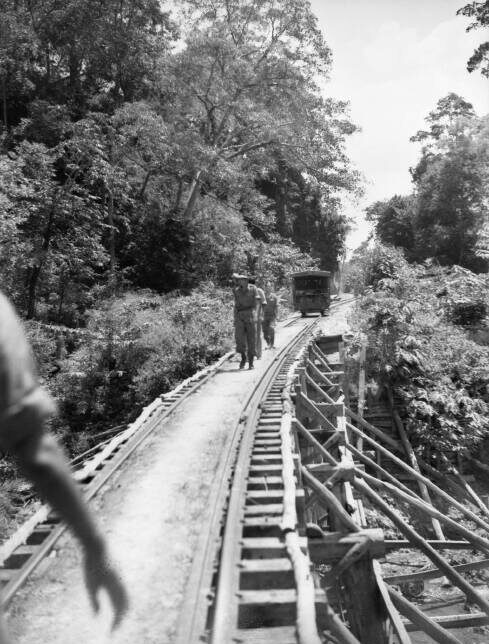
Memorial plans begin
The Australian Government, with help from surviving prisoners and their families, started planning a memorial at Hellfire Pass to honour those who suffered and died.
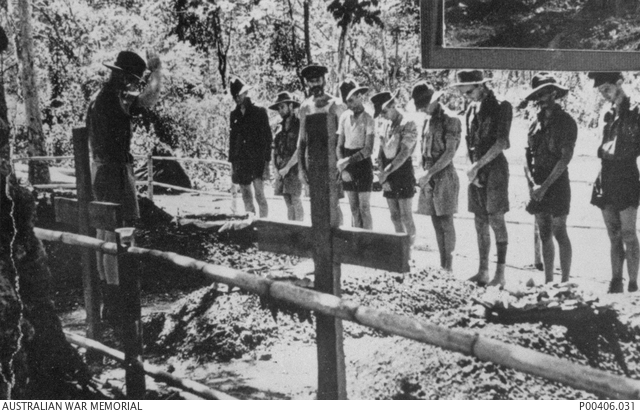
Opening of the Memorial and Museum
In 1998, the Hellfire Pass Interpretive Centre was officially opened. The ceremony was attended by the then Australian Prime Minister, The Honourable John Howard MP highlighting the significance of this history for Australia.
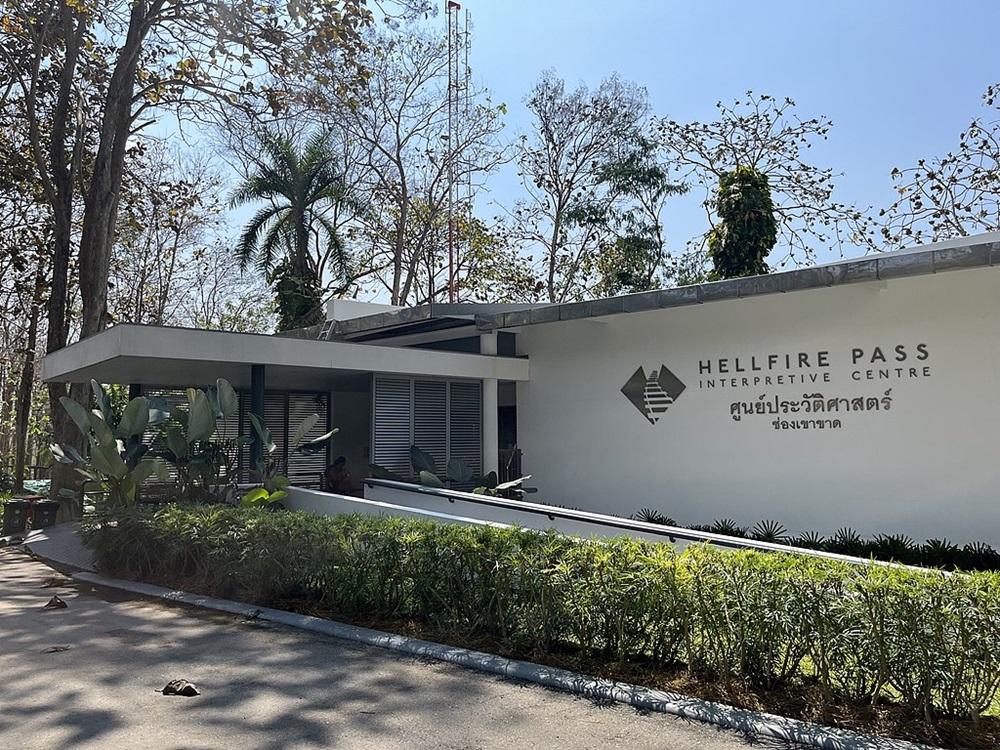
Anzac Day ceremonies begin
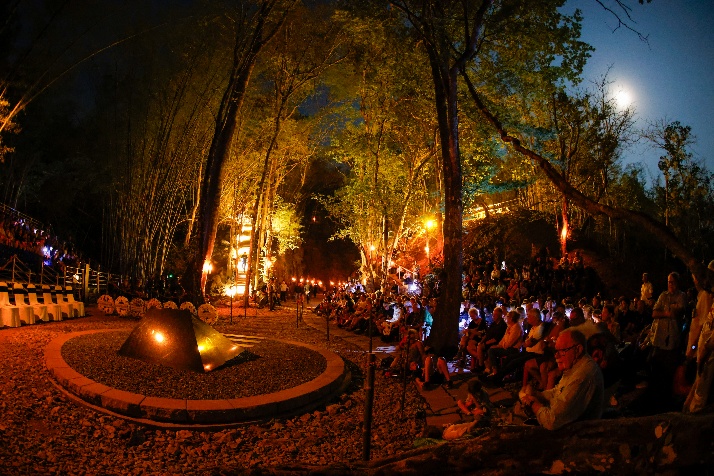
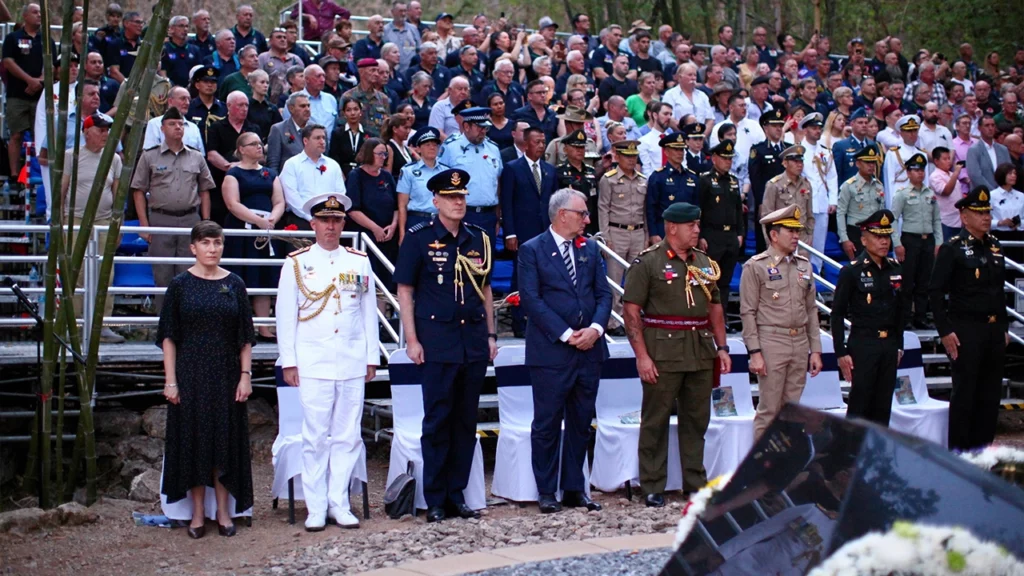
In 1998 Hellfire Pass became a site for annual Anzac Day ceremonies. These services honour the prisoners and rōmusha who suffered greatly building the railway. The dawn service is a special occasion attended by relatives of the prisoners, veterans, and visitors from around the world.
Education and preservation
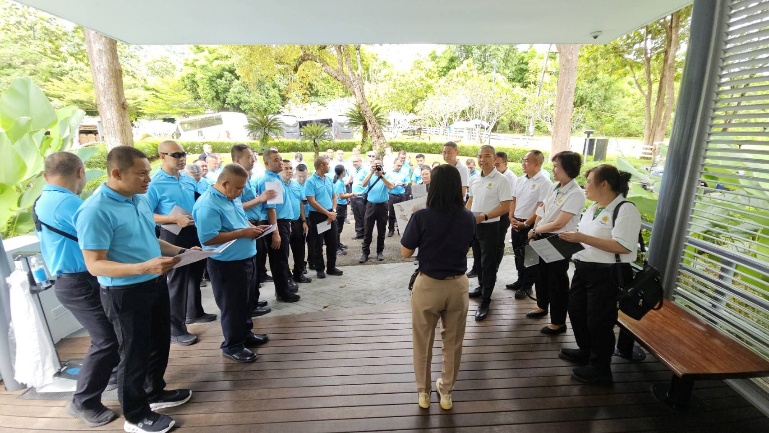
The site now offers educational programmes about the history of Hellfire Pass and the Burma-Thailand Railway. The site continues to be preserved with improvements to the museum and visitor facilities.
Annual events and growing importance
Each year, Hellfire Pass connects us to the past. Memorial events, tours, and the natural setting make it a place of historical significance and a reminder of human strength.